
Used Rear Axle Housing for Tractor
372 available products
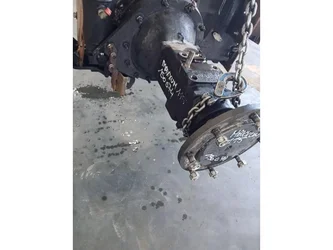
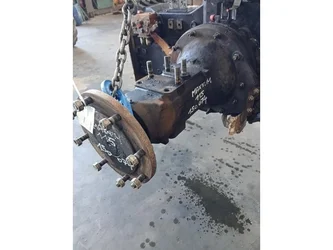
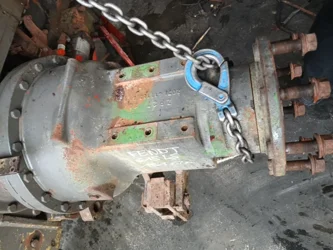
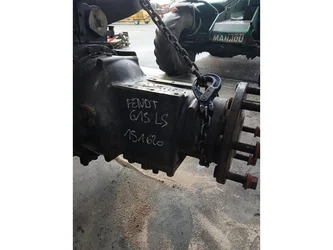
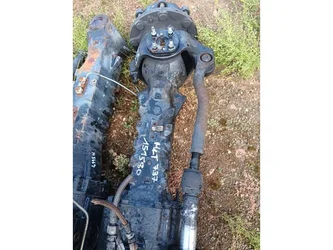
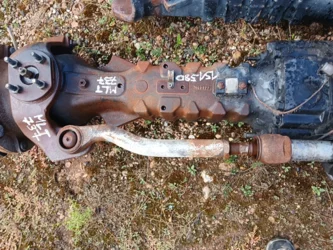
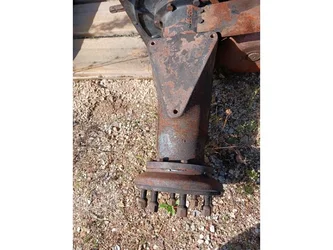
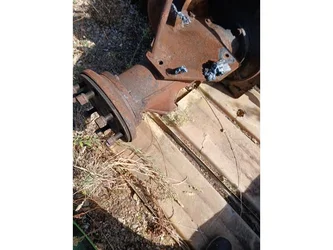
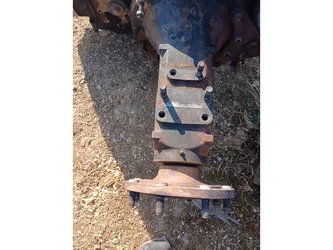
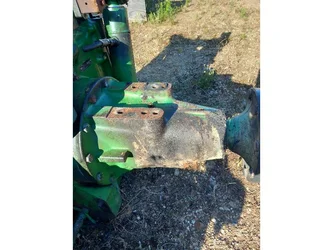
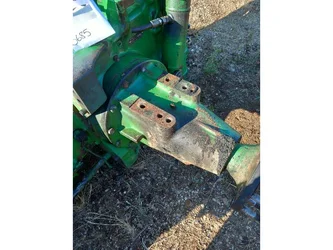
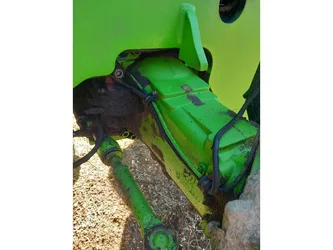
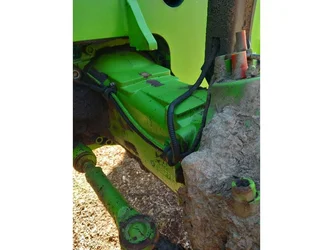
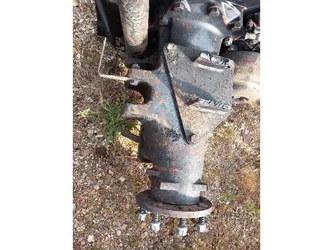
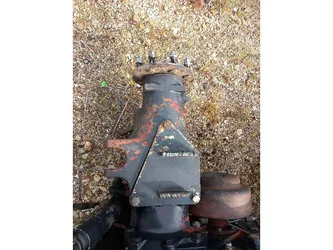
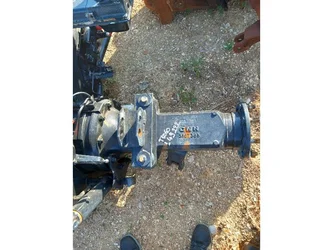
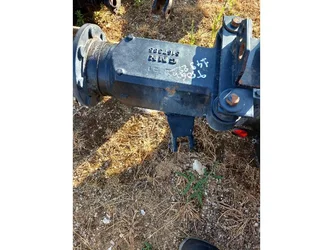
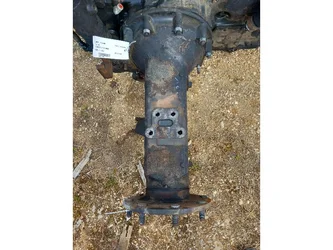
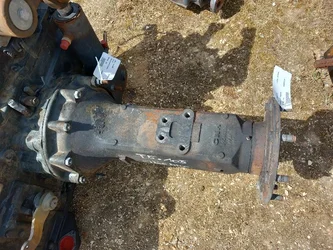
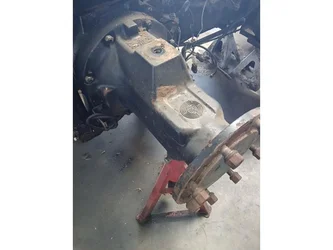
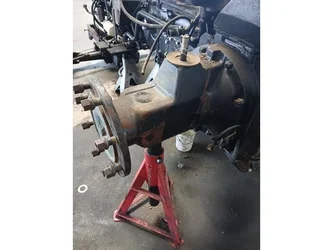
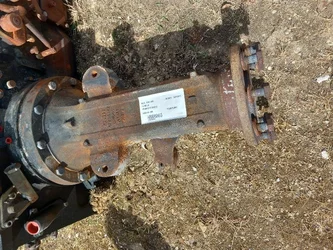
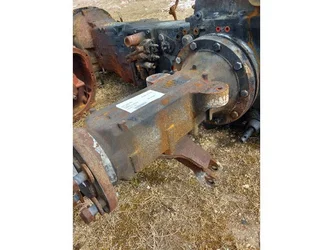
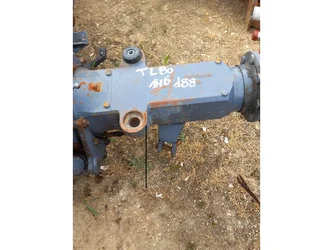
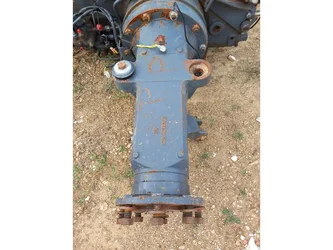
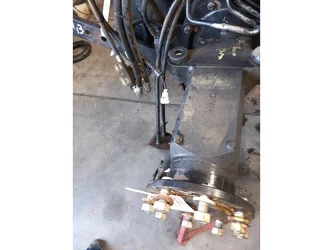
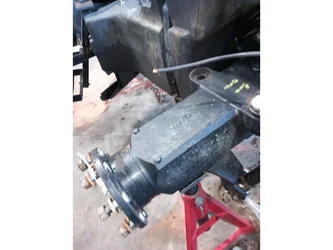
The axle housing is the tubular body extending the rear axle housing on each side of the tractor and supports the wheel. It remains unobtrusive as long as it holds up; however, it becomes a costly repair if cracked, bent, or worn at its bearings. TMC Bejenne recovers these parts by dismantling end-of-life agricultural machines, inspects them in our workshop, and catalogs them at our Naintré site in the Vienne region. They are part of our used rear axle range.
![Hub Gear Housing for CASE IH MAXXUM 115]()
Hub Gear Housing for CASE IH MAXXUM 115
In stock, deliverable within 2-3 daysGet a quote![Hub Gear Housing for CASE IH MAXXUM 115]()
Hub Gear Housing for CASE IH MAXXUM 115
In stock, deliverable within 2-3 daysGet a quote![Hub Gear Housing for FENDT 615]()
Hub Gear Housing for FENDT 615
In stock, deliverable within 2-3 daysGet a quote![Hub Gear Housing for FENDT 615]()
Hub Gear Housing for FENDT 615
In stock, deliverable within 2-3 daysGet a quote![Hub Gear Housing for MANITOU MLT 735]()
Hub Gear Housing for MANITOU MLT 735
In stock, deliverable within 2-3 daysGet a quote![Hub Gear Housing for MANITOU MLT 735]()
Hub Gear Housing for MANITOU MLT 735
In stock, deliverable within 2-3 daysGet a quote![Hub Gear Housing for DEUTZ FAHR 7206]()
Hub Gear Housing for DEUTZ FAHR 7206
In stock, deliverable within 2-3 daysGet a quote![Hub Gear Housing for DEUTZ FAHR 7206]()
Hub Gear Housing for DEUTZ FAHR 7206
In stock, deliverable within 2-3 daysGet a quote![Hub Gear Housing for JOHN-DEERE 6215 R]()
Hub Gear Housing for JOHN-DEERE 6215 R
In stock, deliverable within 2-3 daysGet a quote![Hub Gear Housing for JOHN-DEERE 6215 R]()
Hub Gear Housing for JOHN-DEERE 6215 R
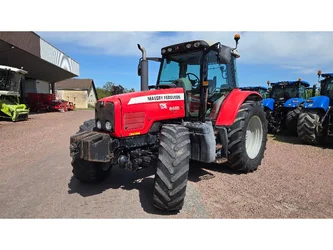
In stock, deliverable within 2-3 daysGet a quote![Hub Gear Housing for MASSEY FERGUSON 6465]()
Hub Gear Housing for MASSEY FERGUSON 6465
In stock, deliverable within 2-3 daysGet a quote![Hub Gear Housing for NEW-HOLLAND T6.145]()
Hub Gear Housing for NEW-HOLLAND T6.145
In stock, deliverable within 2-3 daysGet a quote![Hub Gear Housing for NEW-HOLLAND T6.145]()
Hub Gear Housing for NEW-HOLLAND T6.145
In stock, deliverable within 2-3 daysGet a quote![Hub Gear Housing for JOHN-DEERE 6910]()
Hub Gear Housing for JOHN-DEERE 6910
In stock, deliverable within 2-3 daysGet a quote![Hub Gear Housing for JOHN-DEERE 6910]()
Hub Gear Housing for JOHN-DEERE 6910
In stock, deliverable within 2-3 daysGet a quote![Hub Gear Housing for MERLO P38.10]()
Hub Gear Housing for MERLO P38.10
In stock, deliverable within 2-3 daysGet a quote![Hub Gear Housing for MERLO P38.10]()
Hub Gear Housing for MERLO P38.10
In stock, deliverable within 2-3 daysGet a quote![Hub Gear Housing for DEUTZ FAHR DX 4.51]()
Hub Gear Housing for DEUTZ FAHR DX 4.51
In stock, deliverable within 2-3 daysGet a quote![Hub Gear Housing for DEUTZ FAHR DX 4.51]()
Hub Gear Housing for DEUTZ FAHR DX 4.51
In stock, deliverable within 2-3 daysGet a quote![Hub Gear Housing for NEW-HOLLAND T5]()
Hub Gear Housing for NEW-HOLLAND T5
In stock, deliverable within 2-3 daysGet a quote![Hub Gear Housing for NEW-HOLLAND T5]()
Hub Gear Housing for NEW-HOLLAND T5
In stock, deliverable within 2-3 daysGet a quote![Hub Gear Housing for NEW-HOLLAND T5.105]()
Hub Gear Housing for NEW-HOLLAND T5.105
In stock, deliverable within 2-3 daysGet a quote![Hub Gear Housing for NEW-HOLLAND T5.105]()
Hub Gear Housing for NEW-HOLLAND T5.105
In stock, deliverable within 2-3 daysGet a quote![Hub Gear Housing for CASE IH CS 86]()
Hub Gear Housing for CASE IH CS 86
In stock, deliverable within 2-3 daysGet a quote![Hub Gear Housing for CASE IH CS 86]()
Hub Gear Housing for CASE IH CS 86
In stock, deliverable within 2-3 daysGet a quote![Hub Gear Housing for NEW-HOLLAND T4.100 LP]()
Hub Gear Housing for NEW-HOLLAND T4.100 LP
In stock, deliverable within 2-3 daysGet a quote![Hub Gear Housing for NEW-HOLLAND T4.100 LP]()
Hub Gear Housing for NEW-HOLLAND T4.100 LP
In stock, deliverable within 2-3 daysGet a quote![Trumpet ousing for NEW-HOLLAND TL 80]()
Trumpet ousing for NEW-HOLLAND TL 80
In stock, deliverable within 2-3 daysGet a quote![Trumpet ousing for NEW-HOLLAND TL 80]()
Trumpet ousing for NEW-HOLLAND TL 80
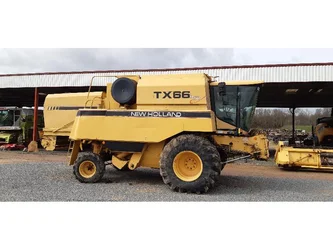
In stock, deliverable within 2-3 daysGet a quote![Trumpet ousing for NEW-HOLLAND TX 66]()
Trumpet ousing for NEW-HOLLAND TX 66
In stock, deliverable within 2-3 daysGet a quote![Trumpet ousing for NEW-HOLLAND T5050]()
Trumpet ousing for NEW-HOLLAND T5050
In stock, deliverable within 2-3 daysGet a quote![Trumpet ousing for NEW-HOLLAND T5050]()
Trumpet ousing for NEW-HOLLAND T5050
In stock, deliverable within 2-3 daysGet a quote![Trumpet ousing for MCCORMICK MTX 120]()
Trumpet ousing for MCCORMICK MTX 120
In stock, deliverable within 2-3 daysGet a quote![Trumpet ousing for MCCORMICK MTX 120]()
Trumpet ousing for MCCORMICK MTX 120
In stock, deliverable within 2-3 daysGet a quote![Trumpet ousing for CASE IH PUMA 150 CVX]()
Trumpet ousing for CASE IH PUMA 150 CVX
In stock, deliverable within 2-3 daysGet a quote![Trumpet ousing for FIAT F100]()
Trumpet ousing for FIAT F100
In stock, deliverable within 2-3 daysGet a quote
What is a rear axle housing?
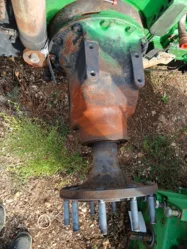
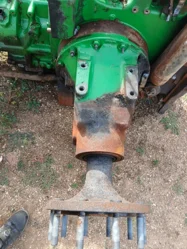
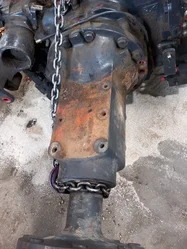
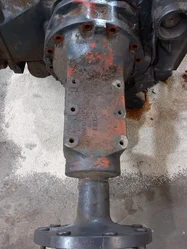
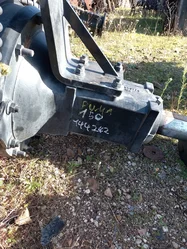
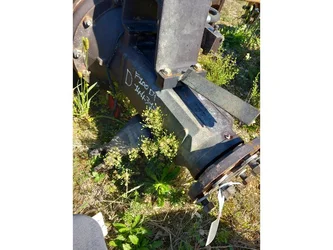
On the vast majority of agricultural tractors, the rear axle consists of a central housing that contains the bevel gear and the differential, extended on both sides by two tubular bodies called axle housings. Each guides the wheel shaft, holds the bearings and seals ensuring the housing's tightness, and supports the hub on which the wheel bolts on.
This makes it a part with dual roles: structural and sealing. It constantly bears the machine's weight, lateral forces during turns, the stresses of the wide-set track, and during heavy-duty operations, the jolts transmitted from the implement. A degraded axle housing jeopardizes the alignment of the entire rear assembly: premature bearing wear, axle oil leaks, and hub play.
Used axle housings available at TMC Bejenne, all brands
This category is one of the most stocked in our rear axle catalog. Most axle housings come from tractors, with some from combines and telehandlers. The brand distribution reflects the fleet we dismantle each year:
- New Holland, Case IH, and John Deere: the most represented brands.
- Massey Ferguson, Renault, and Deutz-Fahr: a regular selection of axle housings.
- Fiat, Claas, Ford, and Fendt: pieces offered according to arrivals.
- Same, Merlo, Kubota, Landini, McCormick, Steyr, Valmet, Valtra, and Manitou, in smaller quantities.
Each listing specifies the brand, model, and original machine year, the manufacturer reference engraved on the part, and our internal reference. For such a critical part, traceability is essential: it verifies that the axle housing matches the same generation of axle.
When should a rear axle housing be replaced?
An axle housing does not wear like friction parts but deteriorates through accidents or gradual damage. The most common reasons for replacement include:
- a persistent oil leak at the hub after seal replacement;
- an oval bearing seat no longer holding the outer ring;
- a stripped bolt hole or thread on the flange;
- a crack, often starting at the joint with the central housing;
- a deformed body resulting from impact, bogging, or wheel misalignment;
- deep corrosion on machines stored outdoors for extended periods.
The primary warning sign is detectable play in the wheel when the machine is elevated on stands. If this remains after checking the bearings, the axle housing itself is at fault.
What is the price of a tractor rear axle housing?
There is no fixed price, and we deliberately do not list one for this category. The cost depends on the brand and generation of tractor, axle size, side concerned, whether bearings and hub are included, and the condition at disassembly. The difference between an 80 HP tractor's axle housing from the 1990s and that of a recent high-powered machine can be substantial.
What remains consistent is the price gap with new parts: for a part of this size, often with lengthy new supply times, reusing a quality tested part is often the most practical option to get a machine working quickly. The "Request a Quote" button on each listing initiates a detailed response from our advisors. You can also request a callback or contact us at +33 5 35 54 42 10.
Tractor axle housing: identifying the correct reference
Start with the machine, not the part
Axle housings may look similar between models while flanges, bolt patterns, and lengths vary. Note your tractor’s exact commercial type, production year, and serial number before contacting us. A single series can have multiple axle evolutions during its production.
Specify side and setup
Always indicate left or right side, and whether your axle has an epicyclic wheel reducer or a final gear drive. Also specify if you are seeking just the axle housing or the complete assembly with bearings and hub; our advisors will confirm the exact reference in stock with supporting photos.
Compare with the original part
If you still have the original axle housing, the manufacturer’s reference stamped or labeled on it is the most reliable information. Otherwise, simple measurements such as overall length, flange diameter, and number of bolt holes usually clarify any doubts.
Disassembly of Renault and other tractor axle housings: what to plan for
- Arrange for suitable lifting equipment: removing the axle housing assembly, including hub and wheel, is heavy and unbalanced;
- Securely support the tractor before removal, never rely on a simple jack alone;
- Drain axle oil and recover it before opening the flange;
- Always replace seals and flange gasket upon reassembly;
- Check the wheel shaft condition and splines, as well as the bearings and axle housing seal during the operation;
- Respect tightening torques and sequence, then top up fluids and verify no leakage after several hours.
Combine and telehandler axle housings
Our stock is not limited to tractors: some axle housings come from combines and telehandlers. The stresses differ, with very high axle loads on combines during grain tank work and cantilever forces on telehandlers, but the selection logic remains the same whether the part is from a Renault, John Deere, or Deutz-Fahr tractor: precisely identify the machine, specify the side, and compare with the removed part. As these references are rare and vary with arrivals, it’s best to call us directly rather than waiting for a specific model to appear online.
What we check before adding to stock
- Condition of bearing seats and housings;
- Integrity of the mounting flange and its threads;
- Absence of visible cracks or body deformation;
- Cleanliness and flatness of sealing surfaces;
- Consistency between the part and the machine it came from.
Each reference then joins stock with its history: brand, model, year, manufacturer’s reference. This allows us to immediately offer a part no longer always available new, avoiding costly machine downtime waiting for campaign end.
Why order your axle housing from TMC Bejenne?
- 80 years of agricultural expertise: dismantling and selling used parts since 1945.
- An 11-hectare facility in Naintré, Vienne, with over 25,000 references in stock.
- Parts inspected in workshop by specialized technicians, with full traceability.
- Shipping across France and internationally.
- Advisors reachable at +33 5 35 54 42 10 to confirm the reference with you.
From a dismantling specialist who inspects their parts and knows their origin. TMC Bejenne, located in Naintré, Vienne, offers used rear axle housings for John Deere, New Holland, Case IH, Renault, Massey Ferguson or Deutz-Fahr. Call +33 5 35 54 42 10 with your tractor model: we will search our stock for the part.
It is strongly recommended. The axle housing is removed, giving direct access to the wheel bearings and the seal. Worn bearings reused on a healthy axle housing will quickly cause new hub play or oil leaks. Also check the wheel shaft and, if equipped, the reducer.
The rate varies by workshop, region, and type of work: ask your dealer or agricultural mechanic for a detailed quote. Dismantling and reassembling an axle housing requires several hours. However, the cost of the part is significantly lower with a TMC Bejenne inspected used axle housing compared to new.
Not necessarily. On many axles, the left and right housings differ in length, mounting, or components they carry, such as brakes or reducers. Always specify the side required and manufacturer reference: our advisors verify the match before shipping.
Removing an axle housing provides an opportunity to check the rest of the rear assembly. In the used rear axle range, find complementary parts: wheel shaft, reducer, rear axle housing, differential, PTO shaft or complete rear axle.
Can't find the part you're looking for?
Fill out this form or contact us at 05 86 24 00 26