
Used wheel hub
72 available products
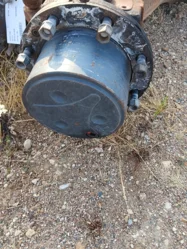
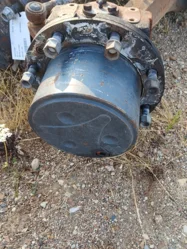
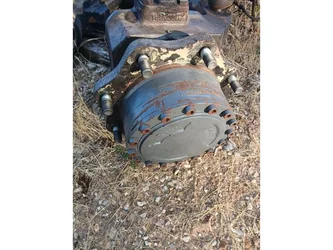
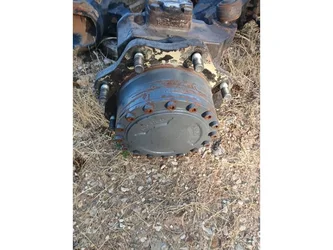
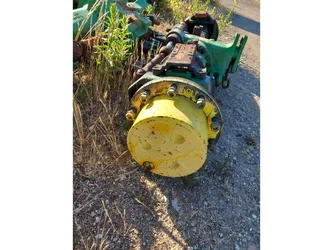
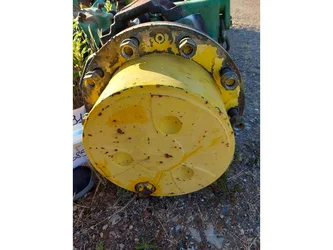
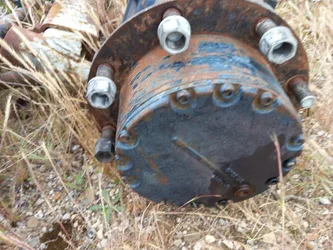
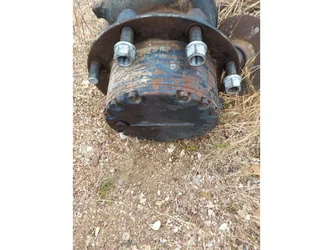
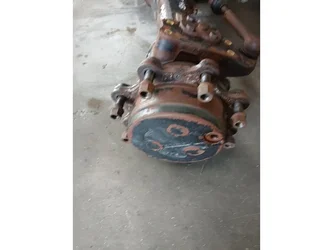
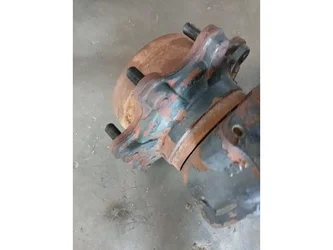
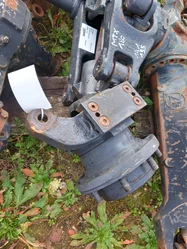
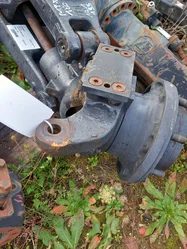
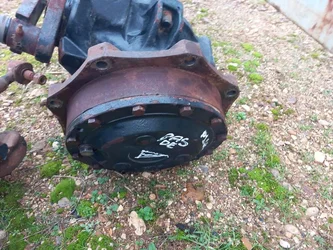
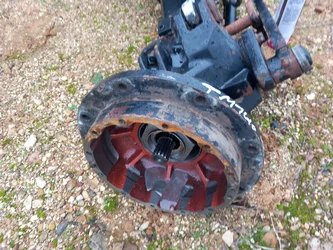
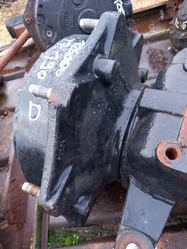
Abnormal play in the wheel or a bearing noise while driving often indicates a worn wheel hub, whether on a tractor or combine harvester. TMC Bejenne offers a wide range of used wheel hubs for axles, front and rear, from all brands. These parts come from dismantled machines and are inspected in our workshop before shipping, all at a price significantly lower than new.
![Wheel Hub for LINDNER GEOTRAC 94]()
Wheel Hub for LINDNER GEOTRAC 94
In stock, deliverable within 2-3 daysGet a quote![Wheel Hub for LINDNER GEOTRAC 94]()
Wheel Hub for LINDNER GEOTRAC 94
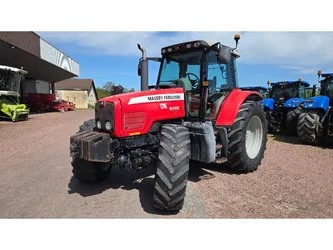
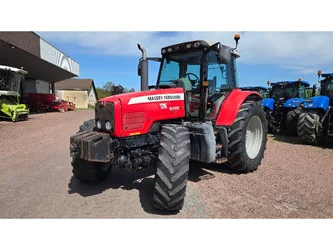
In stock, deliverable within 2-3 daysGet a quote![Wheel Hub for MASSEY FERGUSON 6445]()
Wheel Hub for MASSEY FERGUSON 6445
In stock, deliverable within 2-3 daysGet a quote![Wheel Hub for MASSEY FERGUSON 6445]()
Wheel Hub for MASSEY FERGUSON 6445
In stock, deliverable within 2-3 daysGet a quote![Wheel Hub for MASSEY FERGUSON 6465]()
Wheel Hub for MASSEY FERGUSON 6465
In stock, deliverable within 2-3 daysGet a quote![Wheel Hub for MASSEY FERGUSON 6465]()
Wheel Hub for MASSEY FERGUSON 6465
In stock, deliverable within 2-3 daysGet a quote![Wheel Hub for JOHN-DEERE 6910]()
Wheel Hub for JOHN-DEERE 6910
In stock, deliverable within 2-3 daysGet a quote![Wheel Hub for JOHN-DEERE 6910]()
Wheel Hub for JOHN-DEERE 6910
In stock, deliverable within 2-3 daysGet a quote![Wheel Hub for DEUTZ FAHR DX 4.51]()
Wheel Hub for DEUTZ FAHR DX 4.51
In stock, deliverable within 2-3 daysGet a quote![Wheel Hub for DEUTZ FAHR DX 4.51]()
Wheel Hub for DEUTZ FAHR DX 4.51
In stock, deliverable within 2-3 daysGet a quote![Wheel Hub for CASE IH CS 86]()
Wheel Hub for CASE IH CS 86
In stock, deliverable within 2-3 daysGet a quote![Wheel Hub for CASE IH CS 86]()
Wheel Hub for CASE IH CS 86
In stock, deliverable within 2-3 daysGet a quote![Wheel hub for MCCORMICK MTX 120]()
Wheel hub for MCCORMICK MTX 120
In stock, deliverable within 2-3 daysGet a quote![Wheel hub for MCCORMICK MTX 120]()
Wheel hub for MCCORMICK MTX 120
In stock, deliverable within 2-3 daysGet a quote![Wheel hub for NEW-HOLLAND TM 140]()
Wheel hub for NEW-HOLLAND TM 140
In stock, deliverable within 2-3 daysGet a quote![Wheel hub for NEW-HOLLAND TM 140]()
Wheel hub for NEW-HOLLAND TM 140
In stock, deliverable within 2-3 daysGet a quote![Wheel hub for NEW-HOLLAND T7.190]()
Wheel hub for NEW-HOLLAND T7.190
In stock, deliverable within 2-3 daysGet a quote![Wheel hub for FIAT 880]()
Wheel hub for FIAT 880
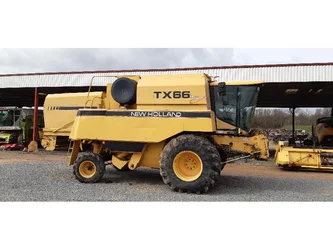
In stock, deliverable within 2-3 daysGet a quote![Wheel hub for NEW-HOLLAND TX 66]()
Wheel hub for NEW-HOLLAND TX 66
In stock, deliverable within 2-3 daysGet a quote![Wheel hub for NEW-HOLLAND TX 36]()
Wheel hub for NEW-HOLLAND TX 36
In stock, deliverable within 2-3 daysGet a quote![Wheel hub for MASSEY FERGUSON 187]()
Wheel hub for MASSEY FERGUSON 187
In stock, deliverable within 2-3 daysGet a quote![Wheel hub for MASSEY FERGUSON 187]()
Wheel hub for MASSEY FERGUSON 187
In stock, deliverable within 2-3 daysGet a quote![Wheel Hub for NEW-HOLLAND T6.145]()
Wheel Hub for NEW-HOLLAND T6.145
In stock, deliverable within 2-3 daysGet a quote![Wheel Hub for NEW-HOLLAND 654]()
Wheel Hub for NEW-HOLLAND 654
In stock, deliverable within 2-3 daysGet a quote![Wheel Hub for NEW-HOLLAND T5]()
Wheel Hub for NEW-HOLLAND T5
In stock, deliverable within 2-3 daysGet a quote![Wheel Hub for NEW-HOLLAND T5]()
Wheel Hub for NEW-HOLLAND T5
In stock, deliverable within 2-3 daysGet a quote![Wheel Hub for NEW-HOLLAND T5.105]()
Wheel Hub for NEW-HOLLAND T5.105
In stock, deliverable within 2-3 daysGet a quote![Wheel Hub for NEW-HOLLAND T5.105]()
Wheel Hub for NEW-HOLLAND T5.105
In stock, deliverable within 2-3 daysGet a quote![Wheel hub for NEW-HOLLAND T4.100 LP]()
Wheel hub for NEW-HOLLAND T4.100 LP
In stock, deliverable within 2-3 daysGet a quote![Wheel hub for NEW-HOLLAND T4.100 LP]()
Wheel hub for NEW-HOLLAND T4.100 LP
In stock, deliverable within 2-3 daysGet a quote![Wheel hub for NEW-HOLLAND TL 80]()
Wheel hub for NEW-HOLLAND TL 80
In stock, deliverable within 2-3 daysGet a quote![Wheel hub for NEW-HOLLAND TL 80]()
Wheel hub for NEW-HOLLAND TL 80
In stock, deliverable within 2-3 daysGet a quote![Wheel hub for NEW-HOLLAND T5050]()
Wheel hub for NEW-HOLLAND T5050
In stock, deliverable within 2-3 daysGet a quote![Wheel hub for NEW-HOLLAND T5050]()
Wheel hub for NEW-HOLLAND T5050
In stock, deliverable within 2-3 daysGet a quote![Wheel hub for CASE IH PUMA 140]()
Wheel hub for CASE IH PUMA 140
In stock, deliverable within 2-3 daysGet a quote![Wheel hub for JOHN-DEERE 6155 R]()
Wheel hub for JOHN-DEERE 6155 R
In stock, deliverable within 2-3 daysGet a quote
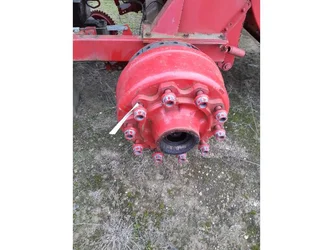
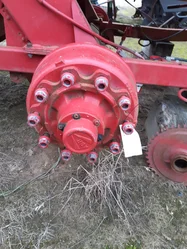

How to tell if a wheel hub is worn out?
A faulty wheel hub is noticeable by abnormal play when shaking the wheel while stationary, a bearing noise that increases with speed, vibrations in the steering, and sometimes grease leakage at the housing. On tractors and combines, this play also causes premature wear of the tires and steering knuckle if the replacement is delayed too long.
Wheel hubs available at TMC Bejenne
- Front and rear hubs, with or without installed bearings
- All brands: John Deere, Case IH, New Holland, Renault, and other manufacturers
- Hubs for tractors and combine harvesters
- Associated bearings, seals, and rings
- Hub nuts, pins, and fastening parts
- Workshop inspection before resale
Is it possible to replace just the wheel hub?
Depending on the machine, the hub can be replaced alone or as a complete set including the bearing, transmission reducer, and related axle. A single hub often suffices when the rest of the axle is in good condition, but significant play or advanced bearing wear sometimes requires replacing the entire assembly to prevent short-term failure. TMC Bejenne’s specialists guide your choice based on your machine’s exact reference.
Where to find a used front wheel hub at TMC Bejenne
- Catalog of over 25,000 references for all brands
- Identification by model and manufacturer reference, avoiding manufacturer lead times
- Parts inspected in our workshop before shipping
- Availability verified with a simple call using the exact machine model
- Direct contact at 05 86 24 00 26 for any reference search
Why do wheel hubs wear out on tractors or combines?
The hub continuously bears the machine’s weight, traction loads, and terrain shocks, which gradually wear down the internal bearing over the seasons. Lack of lubrication, water or dust ingress into the housing, or a heavy impact in the field significantly accelerate this wear. Machines working on rough terrain or with heavy loads, front loaders, or trailers stress the hub far more than typical road use.
Preventive maintenance for the wheel hub
- Lubricate the hub as recommended by the manufacturer
- Check wheel play at each seasonal maintenance
- Inspect seals and rings to prevent leaks
- Monitor for any abnormal noise or overheating after use
- Tighten hub nuts to the correct torque after every wheel removal
Front vs rear wheel hubs: what are the differences?
The front hub, often connected to the steering front axle, absorbs steering forces in addition to load, with tighter tolerances especially on four-wheel-drive tractors. The rear hub, associated with the rear axle, supports most of the traction and lifting loads. The two are therefore not interchangeable, even on the same machine, and should be chosen according to their precise position on the axle.
How to identify the correct wheel hub reference
- Record the exact model and serial number of the machine
- Specify the position: front or rear, left or right side
- Indicate the number of mounting holes and the diameter of the related wheel
- Note if the hub should be delivered with or without installed bearing
- Contact TMC Bejenne with these details to verify exact compatibility
TMC Bejenne, supplier of wheel hubs since 1945
Since 1945, TMC Bejenne has dismantled tractors and combine harvesters of all brands, applying systematic quality checks before resale. To check availability of a reference, contact TMC Bejenne at 05 86 24 00 26 with your machine’s model and serial number.
The cost depends on the machine model, the type of hub (single or complete set), and associated labor. The inspected used part remains significantly cheaper than a new reference. Contact TMC Bejenne at 05 86 24 00 26 with your tractor or combine model for an accurate price on the desired reference.
This varies greatly depending on usage, terrain, and maintenance, but a properly lubricated and inspected hub generally lasts several thousand hours. Early play or noise usually indicates either lubrication issues or an impact rather than normal wear.
Not necessarily: if only one hub shows abnormal play or noise, replacing that single unit is sufficient in most cases. Checking the other hub is recommended to ensure it does not have similar impending wear.
Disassembly usually requires a jack suitable for the machine’s weight, stands, a torque wrench for proper tightening, and sometimes a puller to remove the hub from the axle. For complex assemblies, workshop service is recommended.
TMC Bejenne dismantles tractors and combines from all generations to replenish its stock of used parts, including axles and hubs. Contact the team at 05 86 24 00 26 to discuss the take-back of an unusable machine.
Can't find the part you're looking for?
Fill out this form or contact us at 05 86 24 00 26