
Used Hydraulic Cooling Systems
84 available products
An engine overheating in the middle of a job can bring the entire day's work to a halt. TMC Bejenne offers a wide range of used cooling parts for agricultural tractors: radiators, water pumps, thermostats, fans, and oil coolers. These parts complement our tractor engine and agricultural hydraulic product lines. Every part is inspected in our workshop before shipping, available immediately, and offered at a price significantly lower than new.
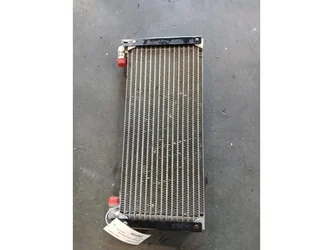
![Hydraulic Cooling for MASSEY FERGUSON 7616]()
Hydraulic Cooling for MASSEY FERGUSON 7616
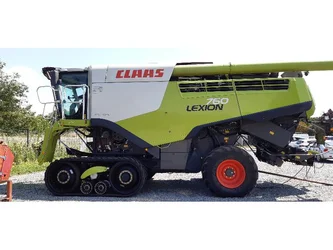
In stock, deliverable within 2-3 daysGet a quote![Cooling system for CLAAS LEXION 760]()
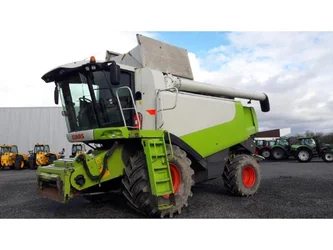
Cooling system for CLAAS LEXION 760
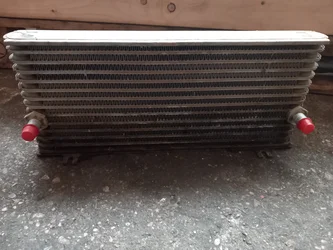
In stock, deliverable within 2-3 daysGet a quote![Cooling system for VALTRA A104]()
Cooling system for VALTRA A104
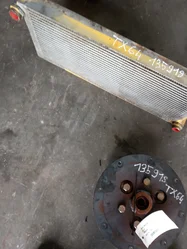
In stock, deliverable within 2-3 daysGet a quote![Cooling system for NEW-HOLLAND TX 64]()
Cooling system for NEW-HOLLAND TX 64
In stock, deliverable within 2-3 daysGet a quote![Cooling system for CASE IH AXIAL-FLOW 8010]()
Cooling system for CASE IH AXIAL-FLOW 8010
In stock, deliverable within 2-3 daysGet a quote![Cooling system for DEUTZ FAHR K100]()
Cooling system for DEUTZ FAHR K100
In stock, deliverable within 2-3 daysGet a quote![Cooling system for DEUTZ FAHR 6150]()
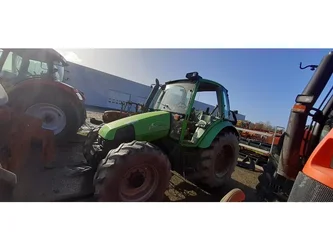
Cooling system for DEUTZ FAHR 6150
In stock, deliverable within 2-3 daysGet a quote![Cooling system for NEW-HOLLAND TM 140]()
Cooling system for NEW-HOLLAND TM 140
In stock, deliverable within 2-3 daysGet a quote![Cooling system for JOHN-DEERE 6155 R]()
Cooling system for JOHN-DEERE 6155 R
In stock, deliverable within 2-3 daysGet a quote![Cooling system for CASE IH AXIAL-FLOW 8010]()
Cooling system for CASE IH AXIAL-FLOW 8010
In stock, deliverable within 2-3 daysGet a quote![Cooling system for JOHN-DEERE S660]()
Cooling system for JOHN-DEERE S660
In stock, deliverable within 2-3 daysGet a quote![Cooling system for VALMET T213]()
Cooling system for VALMET T213
In stock, deliverable within 2-3 daysGet a quote![Cooling system for KUBOTA M8540 DTH]()
Cooling system for KUBOTA M8540 DTH
In stock, deliverable within 2-3 daysGet a quote![Cooling system for NEW-HOLLAND T7.190]()
Cooling system for NEW-HOLLAND T7.190
In stock, deliverable within 2-3 daysGet a quote![Cooling system for NEW-HOLLAND CR 9060]()
Cooling system for NEW-HOLLAND CR 9060
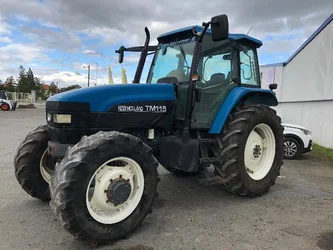
In stock, deliverable within 2-3 daysGet a quote![Cooling system for NEW-HOLLAND TM 115]()
Cooling system for NEW-HOLLAND TM 115
In stock, deliverable within 2-3 daysGet a quote![Cooling system for CLAAS LEXION 570]()
Cooling system for CLAAS LEXION 570
In stock, deliverable within 2-3 daysGet a quote![Cooling system for DEUTZ FAHR AGROTRON 4.85]()
Cooling system for DEUTZ FAHR AGROTRON 4.85
In stock, deliverable within 2-3 daysGet a quote![Cooling system for DEUTZ FAHR AGROTRON K 420]()
Cooling system for DEUTZ FAHR AGROTRON K 420
In stock, deliverable within 2-3 daysGet a quote![Cooling system for JCB 531-70]()
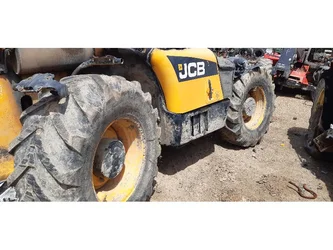
Cooling system for JCB 531-70
In stock, deliverable within 2-3 daysGet a quote![Cooling system for JOHN-DEERE 3400]()
Cooling system for JOHN-DEERE 3400
In stock, deliverable within 2-3 daysGet a quote![Cooling system for MCCORMICK MTX 120]()
Cooling system for MCCORMICK MTX 120
In stock, deliverable within 2-3 daysGet a quote![Cooling system for JOHN-DEERE T660]()
Cooling system for JOHN-DEERE T660
In stock, deliverable within 2-3 daysGet a quote![Cooling system for JOHN-DEERE T660]()
Cooling system for JOHN-DEERE T660
In stock, deliverable within 2-3 daysGet a quote![Cooling system for NEW-HOLLAND CX 860]()
Cooling system for NEW-HOLLAND CX 860
In stock, deliverable within 2-3 daysGet a quote![Cooling system for NEW-HOLLAND CX 860]()
Cooling system for NEW-HOLLAND CX 860
In stock, deliverable within 2-3 daysGet a quote![Cooling system for NEW-HOLLAND TM 150]()
Cooling system for NEW-HOLLAND TM 150
In stock, deliverable within 2-3 daysGet a quote![Cooling system for NEW-HOLLAND CR 980]()
Cooling system for NEW-HOLLAND CR 980
In stock, deliverable within 2-3 daysGet a quote![Cooling system for NEW-HOLLAND CR 980]()
Cooling system for NEW-HOLLAND CR 980
In stock, deliverable within 2-3 daysGet a quote![Cooling system for CLAAS LEXION 600]()
Cooling system for CLAAS LEXION 600
In stock, deliverable within 2-3 daysGet a quote![Cooling system for LAVERDA L624 MCS]()
Cooling system for LAVERDA L624 MCS
In stock, deliverable within 2-3 daysGet a quote![Cooling system for NEW-HOLLAND TX 36]()
Cooling system for NEW-HOLLAND TX 36
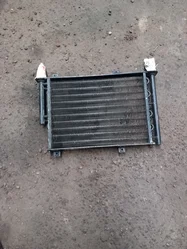
In stock, deliverable within 2-3 daysGet a quote![REFROIDISSEUR D HUILE HYDROSTATIQUE]()
REFROIDISSEUR D HUILE HYDROSTATIQUE
In stock, deliverable within 2-3 daysGet a quote![Cooling system for FORD 8670]()
Cooling system for FORD 8670
In stock, deliverable within 2-3 daysGet a quote![Cooling system for CASE IH AXIAL-FLOW 6088]()
Cooling system for CASE IH AXIAL-FLOW 6088
In stock, deliverable within 2-3 daysGet a quote![Cooling system for CASE IH AXIAL-FLOW 2388]()
Cooling system for CASE IH AXIAL-FLOW 2388
In stock, deliverable within 2-3 daysGet a quote

Cooling System: How It Works
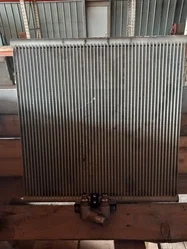
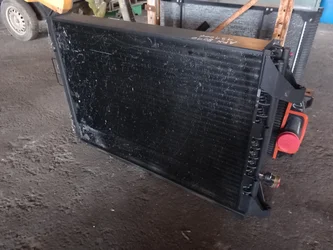
The cooling circuit dissipates the heat generated from combustion. The water pump circulates coolant through the engine block and cylinder head. The thermostat remains closed while the engine is cold, then opens to send coolant to the radiator. The fan forces air through the radiator core, and the expansion tank absorbs volume fluctuations. A faulty thermostat or a worn pump is enough to disrupt the entire system.
Tractor Radiators and Parts Available at TMC Bejenne
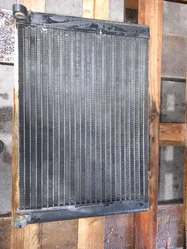
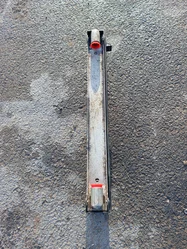
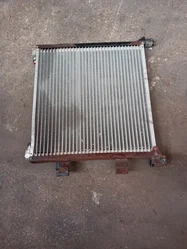
- Water Radiators: cores only or complete radiators, depending on the model.
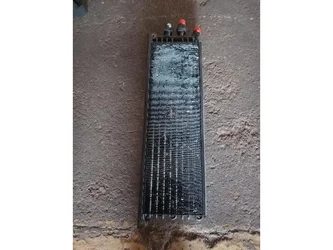
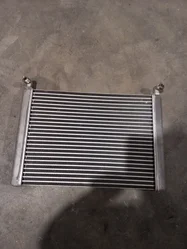
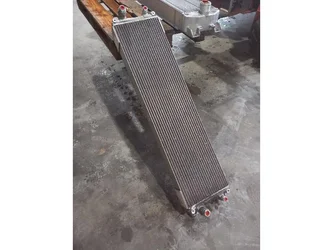
- Oil Coolers: cooling the hydraulic circuit and transmission.
- Water Pumps: belt-driven or gear-driven depending on the engine.
- Thermostats and Housings: original parts, as complements to a universal thermostat of the correct diameter.
- Expansion Tanks and Radiator Caps: sealing and pressurizing the circuit.
- Fans and Hoses: blades, viscous couplings, hoses, and clamps.
Choosing the Right Tractor Coolant
Coolant combines water, glycol-based antifreeze, and corrosion inhibitors. Two criteria matter: its freezing point and technology. A frost protection level between -25 °C and -35 °C suits most regions in France. The fluid's color is not a reliable standard: it varies by manufacturer. Always refer first to the manufacturer's manual, and never mix two fluids with different technologies.
Coolant for Older Tractors
- Conventional Fluid: mineral-based fluids are generally recommended for older engines.
- Copper and Brass Radiators: verify the additives’ compatibility with these metals.
- Seals and Hoses: switching fluid technology may weaken original seals.
- Flushing: flush the circuit before switching to a different type of fluid.
- Regular Checks: monitor antifreeze protection before each winter.
Proper Cooling Circuit Maintenance
A well-maintained circuit ensures long-lasting protection for your tractor’s engine. Check the coolant level in the cold reservoir, then test antifreeze protection with an antifreeze tester or refractometer. Regularly blow out the radiator core, especially during harvest or chopping seasons. Inspect hoses, clamps, and the water pump belt tension. Finally, replace the fluid following the manufacturer’s recommended intervals.
Coolant by Brand
- Massey Ferguson: browse our Massey Ferguson cooling parts.
- John Deere: discover our John Deere cooling parts.
- Case IH: explore our Case IH cooling parts.
- New Holland: find our New Holland cooling parts.
- Fendt: access our Fendt cooling parts.
- Renault: find our Renault cooling parts.
- Tip: each manufacturer recommends a specific type of fluid; check your tractor's manual.
Air-Cooled Tractors: The Deutz Case
Not all tractors use liquid coolant. Air-cooled engines, made famous by Deutz-Fahr, employ a turbine that directs air over the cylinder fins. This system prevents leaks and freezing but requires thorough cleaning of the fins and checking the turbine belt. Our specialists can advise you on Deutz-Fahr cooling parts suited to your engine.
Used Tractor Air Conditioning Parts
- Compressors: air conditioning compressors for recent tractors and modern cabins.
- Condensers and Evaporators: heat exchangers inspected before shipment.
- Expansion Valves and Dryer Bottles: components of the refrigerant circuit.
- John Deere: John Deere air conditioning parts.
- Claas: Claas air conditioning parts.
- Massey Ferguson: Massey Ferguson air conditioning parts.
- Cabins: browse our full range of tractor cabins.
Engine Overheating: TMC Bejenne Expertise
Repeated engine overheating often indicates a clogged radiator, a stuck thermostat, or a failing water pump. Since 1945, TMC Bejenne has been dismantling tractors and agricultural machinery on a 11-hectare site in Naintré. Our 25,000 references cover major brands, with a 90% success rate in fulfilling requests. To identify the proper cooling part, contact our advisors at +33 5 35 54 42 10.
The water pump circulates coolant within the engine, where it absorbs heat. As the temperature rises, the thermostat opens and directs the coolant to the radiator. The fan then cools the radiator core, and the coolant returns to the engine. The expansion tank and radiator cap keep the system pressurized.
On most tractors, filling is done through the expansion tank, identifiable by its level markings. Older models without a tank require filling through the radiator cap. Always perform this with the engine cold: a hot circuit is pressurized, and the fluid can cause severe burns.
With a cold engine, the level should be between the minimum and maximum marks on the expansion tank. Without a tank, the fluid should cover the radiator core, leaving a few centimeters below the filler neck for expansion. A regularly dropping level indicates a leak: check hoses, water pump, and radiator.
First, follow the manufacturer’s recommendation found in the maintenance manual. Then select an antifreeze level suited to your region, typically between -25 °C and -35 °C. For older tractors, conventional fluids are often best. Our advisors can guide you at +33 5 35 54 42 10.
Can't find the part you're looking for?
Fill out this form or contact us at 05 86 24 00 26