
Used Wheel Reducer
284 available products
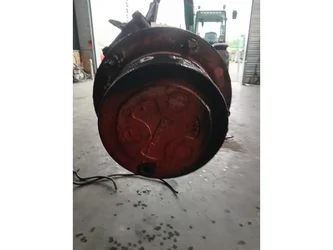
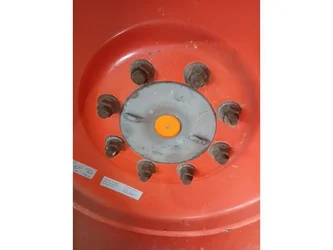
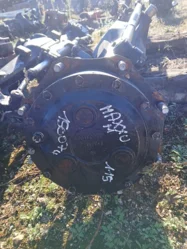
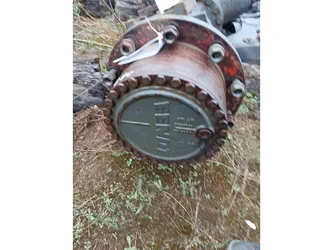
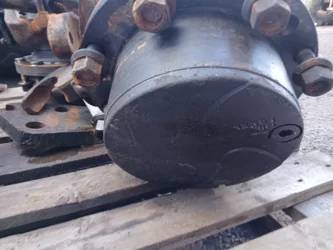
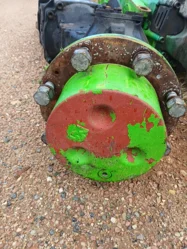
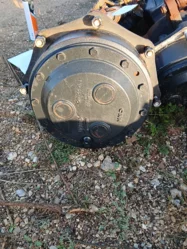
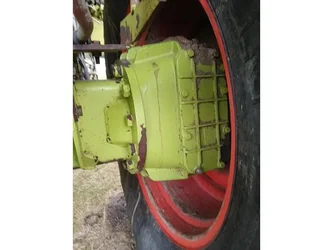
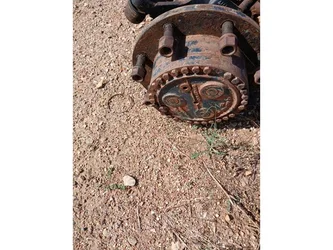
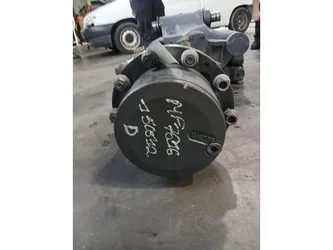
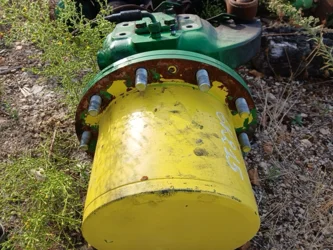
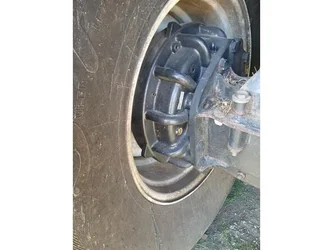
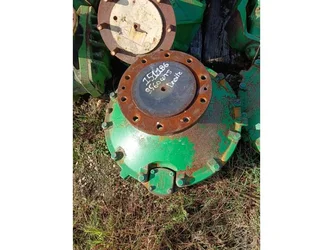
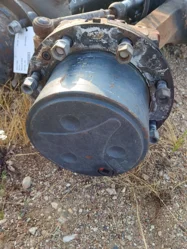
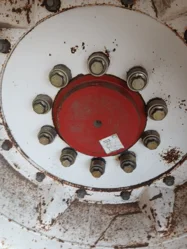
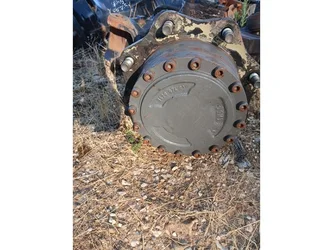
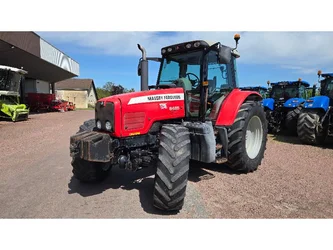
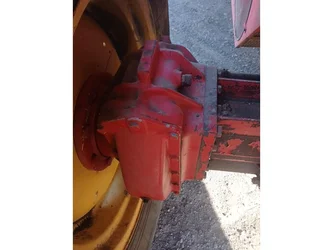
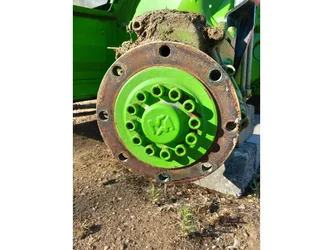
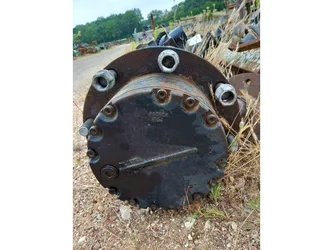
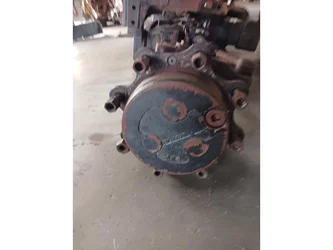
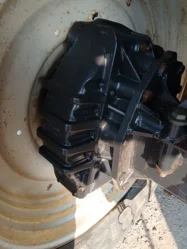
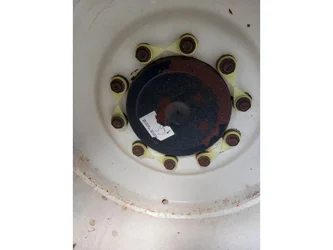
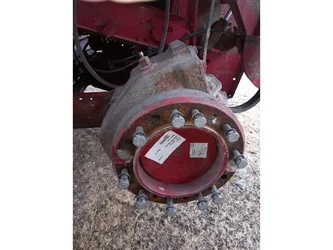
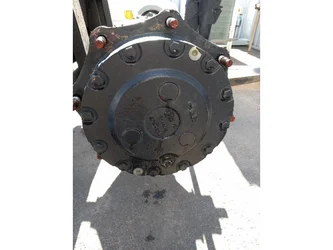
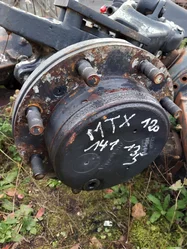
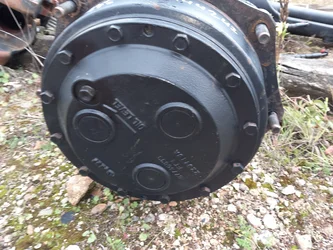
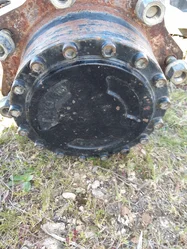
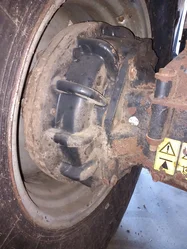
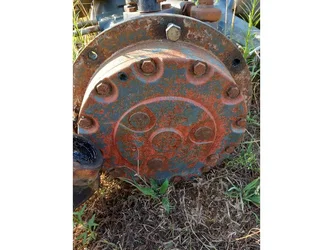
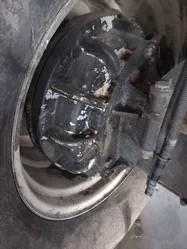
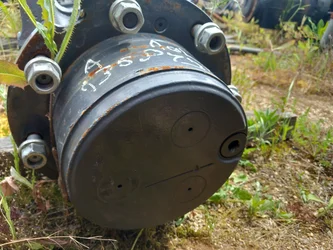
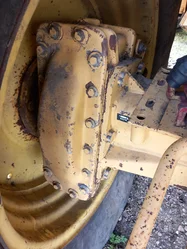
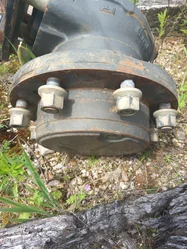
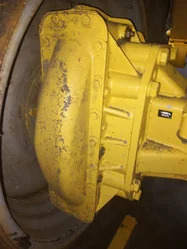
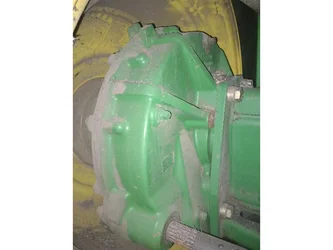
The wheel reducer transfers motion from the axle to the wheel by adjusting torque and rotational speed: it is one of the most heavily used components of a front axle in agricultural equipment. This category includes used wheel reducers dismantled by TMC Bejenne from tractors, combine harvesters, and telehandlers, which are then inspected in our workshop before being stocked. Each used part remains linked to the brand and model of the machine it came from, information clearly indicated in its description. It is part of our used front axle range.
![Wheel Reducer for MCCORMICK MTX 150]()
Wheel Reducer for MCCORMICK MTX 150
In stock, deliverable within 2-3 daysGet a quote![Wheel Reducer for CLAAS LEXION 440]()
Wheel Reducer for CLAAS LEXION 440
In stock, deliverable within 2-3 daysGet a quote![Wheel Reducer for CASE IH MAXXUM 115]()
Wheel Reducer for CASE IH MAXXUM 115
In stock, deliverable within 2-3 daysGet a quote![Wheel Reducer for FENDT 615]()
Wheel Reducer for FENDT 615
In stock, deliverable within 2-3 daysGet a quote![Wheel Reducer for VALTRA N134]()
Wheel Reducer for VALTRA N134
In stock, deliverable within 2-3 daysGet a quote![Wheel Reducer for MERLO P26.6]()
Wheel Reducer for MERLO P26.6
In stock, deliverable within 2-3 daysGet a quote![Wheel Reducer for NEW-HOLLAND T7.190]()
Wheel Reducer for NEW-HOLLAND T7.190
In stock, deliverable within 2-3 daysGet a quote![Wheel Reducer for CLAAS LEXION 430]()
Wheel Reducer for CLAAS LEXION 430
In stock, deliverable within 2-3 daysGet a quote![Wheel Reducer for DEUTZ FAHR 7206]()
Wheel Reducer for DEUTZ FAHR 7206
In stock, deliverable within 2-3 daysGet a quote![Wheel Reducer for MASSEY FERGUSON 7616]()
Wheel Reducer for MASSEY FERGUSON 7616
In stock, deliverable within 2-3 daysGet a quote![Wheel Reducer for JOHN-DEERE 6215 R]()
Wheel Reducer for JOHN-DEERE 6215 R
In stock, deliverable within 2-3 daysGet a quote![Wheel Reducer for NEW-HOLLAND CR 8080]()
Wheel Reducer for NEW-HOLLAND CR 8080
In stock, deliverable within 2-3 daysGet a quote![Wheel Reducer for JOHN-DEERE 9560 WTS]()
Wheel Reducer for JOHN-DEERE 9560 WTS
In stock, deliverable within 2-3 daysGet a quote![Wheel Reducer for LINDNER GEOTRAC 94]()
Wheel Reducer for LINDNER GEOTRAC 94
In stock, deliverable within 2-3 daysGet a quote![Wheel Reducer for CASE IH AXIAL-FLOW 2388]()
Wheel Reducer for CASE IH AXIAL-FLOW 2388
In stock, deliverable within 2-3 daysGet a quote![Wheel Reducer for MASSEY FERGUSON 6445]()
Wheel Reducer for MASSEY FERGUSON 6445
In stock, deliverable within 2-3 daysGet a quote![Wheel Reducer for MASSEY FERGUSON 6465]()
Wheel Reducer for MASSEY FERGUSON 6465
In stock, deliverable within 2-3 daysGet a quote![Wheel Reducer for LAVERDA 2350]()
Wheel Reducer for LAVERDA 2350
In stock, deliverable within 2-3 daysGet a quote![Wheel Reducer for MERLO P38.10]()
Wheel Reducer for MERLO P38.10
In stock, deliverable within 2-3 daysGet a quote![Wheel Reducer for DEUTZ FAHR DX 4.51]()
Wheel Reducer for DEUTZ FAHR DX 4.51
In stock, deliverable within 2-3 daysGet a quote![Wheel Reducer for CASE IH CS 86]()
Wheel Reducer for CASE IH CS 86
In stock, deliverable within 2-3 daysGet a quote![Wheel Reducer for NEW-HOLLAND CR 960]()
Wheel Reducer for NEW-HOLLAND CR 960
In stock, deliverable within 2-3 daysGet a quote![Wheel Reducer for NEW-HOLLAND CR 980]()
Wheel Reducer for NEW-HOLLAND CR 980
In stock, deliverable within 2-3 daysGet a quote![Wheel Reducer for CASE IH AXIAL-FLOW 2388]()
Wheel Reducer for CASE IH AXIAL-FLOW 2388
In stock, deliverable within 2-3 daysGet a quote![Wheel reducer for NEW-HOLLAND T5050]()
Wheel reducer for NEW-HOLLAND T5050
In stock, deliverable within 2-3 daysGet a quote![Wheel reducer for MCCORMICK MTX 120]()
Wheel reducer for MCCORMICK MTX 120
In stock, deliverable within 2-3 daysGet a quote![Wheel reducer for CASE IH PUMA 150 CVX]()
Wheel reducer for CASE IH PUMA 150 CVX
In stock, deliverable within 2-3 daysGet a quote![Wheel reducer for MASSEY FERGUSON 6455]()
Wheel reducer for MASSEY FERGUSON 6455
In stock, deliverable within 2-3 daysGet a quote![Wheel reducer for NEW-HOLLAND CX 860]()
Wheel reducer for NEW-HOLLAND CX 860
In stock, deliverable within 2-3 daysGet a quote![Wheel reducer for NEW-HOLLAND TM 150]()
Wheel reducer for NEW-HOLLAND TM 150
In stock, deliverable within 2-3 daysGet a quote![Wheel reducer for NEW-HOLLAND CR 980]()
Wheel reducer for NEW-HOLLAND CR 980
In stock, deliverable within 2-3 daysGet a quote![Wheel reducer for VALTRA A104]()
Wheel reducer for VALTRA A104
In stock, deliverable within 2-3 daysGet a quote![Wheel reducer for NEW-HOLLAND TX 64]()
Wheel reducer for NEW-HOLLAND TX 64
In stock, deliverable within 2-3 daysGet a quote![Wheel reducer for CLAAS ARES 556]()
Wheel reducer for CLAAS ARES 556
In stock, deliverable within 2-3 daysGet a quote![Wheel reducer for NEW-HOLLAND TF 76]()
Wheel reducer for NEW-HOLLAND TF 76
In stock, deliverable within 2-3 daysGet a quote![Wheel reducer for JOHN-DEERE S660]()
Wheel reducer for JOHN-DEERE S660
In stock, deliverable within 2-3 daysGet a quote
What is the function of a wheel reducer on agricultural equipment?
Installed at the end of the axle, the wheel reducer receives motion from the transmission systems and delivers it to the wheel at a reduced rotational speed with increased output torque. This design allows for reasonably sized shafts and transmission components while providing the necessary force for soil work or moving a loaded machine. On a tractor, this assembly is integrated into the front axle; on a combine harvester, it contributes to wheel drive.
A component integrated into the front axle
On a four-wheel-drive tractor, the reducer is positioned at the front axle end, at the wheel hub. It receives motion transmitted by the bevel gear then through the wheel shaft, adapting it before applying it to the wheel. This setup explains why a wheel reducer failure often requires checking adjacent components: the axle housing, bevel gear, wheel shaft, kingpin, and frame belong to the same mechanical assembly and endure the same stresses.
Wheel reducer, axle reducer, or PTO reducer?
In workshop terminology, “wheel reducer” and “axle reducer” often refer to the same component: “axle reducer” highlights its role in the assembly, while “wheel reducer” emphasizes its position at the axle end. The reducer driven by the PTO, for example on a shredder or spreader, is a completely different component. For rear axle reducers, please also visit our used rear axle range.
Expectations for a wheel reducer in good condition:
- Torque transmission without abnormal play or stiffness.
- Maintained sealing, with no oil leaks or seepage around seals and housing.
- Quiet operation without bearing noise or whistling.
- Clean bearing surfaces and intact mounting hardware.
- Confirmed compatibility with the exact brand and model of the machine to be repaired.
Used wheel reducers available at TMC Bejenne
Each wheel reducer comes from a machine dismantled in our Naintré workshops, located on a 11-hectare site: the original brand and model are listed in the product title and description to help you compare with your own equipment's component. Stock-listed parts are immediately available. Pricing is provided upon request via the product page or by phone at +33 5 35 54 42 10.
Tractor, combine harvester, or telehandler
Our stock includes reducers from tractors, combine harvesters, and telehandlers. A search oriented toward tractors will show different references than one for combine harvesters. Filters by machine type, brand, and model allow you to quickly find the parts that truly match your needs without browsing the entire category.
Brands and models represented in stock
A wide array of agricultural equipment brands appear in this category, reflecting the mix of machines passing through our workshops, from high-power tractors to end-of-life combine harvesters and telehandlers.
- New Holland, Case IH, and John Deere: the most represented brands.
- Massey Ferguson, Claas, and Deutz-Fahr: a regular selection of reducers for tractors and combines.
- Fiat, Renault, Ford, Fendt, and Valtra: reducers based on arrivals.
- JCB, Manitou, and Merlo: reducers from telehandlers.
- Laverda, Kubota, Same, Landini, McCormick, Steyr, and Zetor: occasional parts from dismantling.
New Holland, Case IH, and John Deere
These three manufacturers account for most of our stock. For tractors, we offer reducers from New Holland T5050, T6.145, T7040, and TM 150; Case IH CS 86, Puma 150 CVX, and Puma 240 CVX; and John Deere 6910. For harvesting, our stock includes reducers from New Holland TX 36, TX 64, TF 76, CX 860, CX 8050, CR 960, CR 980, and CR 9060; Case IH 2188 and Axial-Flow models 1680, 2366, and 2388; as well as John Deere S660 and 9780 CTS. The available models change according to dismantling activity.
Massey Ferguson, Claas, and other manufacturers
The remainder of the category covers a broad range of agricultural equipment: Massey Ferguson 6445, 6455, and 6465; Claas Ares 556, Axion 840, and Lexion 570; Deutz-Fahr DX 4.51; McCormick MTX 120; Valtra A104; Kubota M8540 DTH; Merlo P38.10; and Laverda 2350. If your machine is not listed here, it may still appear among available products – consult the "Your Machine Model" filter for a full list.
Use filters to focus your search
- Brand: the brand associated with the part itself.
- Your Machine's Brand: the most natural starting point when searching based on the equipment you need to repair.
- Your Machine's Model: the complete list of models for which a reducer is currently available.
- Your Machine Type: tractor, combine harvester, or telehandler.
These four filters can be combined freely. For example, you can display only reducers from a specific brand, then narrow to a particular model. Each product shows its availability and provides quick access to a price request.
When should a wheel reducer be replaced?
A reducer wears gradually, with its lifespan depending on maintenance, load, and usage. Early signs often go unnoticed while the machine still moves. However, some symptoms warrant a prompt check before damage spreads to neighboring axle components.
- Persistent oil leakage inside the rim or on the housing.
- Unusual noises, such as grumbling or whistling, that change with speed.
- Excessive play felt at the wheel, or stiffness when steering.
- Unusual temperature rise after a few hours of operation.
- Presence of metal particles during reducer oil changes.
A professional inspection can distinguish internal wear from a simple seal failure and determine whether a full part replacement is necessary. This step prevents ordering a used part that wouldn't solve the detected fault.
Dismantling the front axle reducer on a tractor
Dismantling a front axle reducer is done with the machine immobilized, wheel removed, and oil drained. The reducer is then separated from the hub and axle cover following the manufacturer's prescribed sequence, often requiring lifting equipment suited to the assembly's weight. Mark the positions of shims and seals, and note the manufacturer reference stamped on the housing before removal. This procedure requires a equipped workshop: when in doubt, entrust it to your agricultural mechanic.
Confirming the correct manufacturer reference before ordering
- Record the exact brand, model, and year of your machine.
- Note the manufacturer reference and any visible markings on the reducer housing.
- Specify the exact location of the part on the machine and the side concerned.
- Compare these details with the product description, which states the original machine.
- Include photos of the dismantled component with your price request.
Two visually similar reducers may differ in fixings, axle interface, or internal specifications. Our specialized technicians compare these details with available reducers and confirm compatibility before shipping. You can contact them at 05 86 24 00 26 to describe your machine and the issue encountered.
The advantage of used wheel reducers
- A significantly lower cost compared to new parts—a decisive factor when a breakdown occurs during the season.
- Immediate availability for reducers listed in stock.
- Solutions tailored to older machines, for which certain components become hard to find.
- An environmentally friendly approach extending the lifespan of equipment instead of discarding serviceable units.
Whether for operations or a repair workshop, the goal remains the same: get the machine back to work quickly without unbalancing the maintenance budget. Specialist in used agricultural parts since 1945, TMC Bejenne leverages a stock of 25,000 references to meet these needs across this category and our entire catalogue.
Installation and maintenance: useful precautions
- Follow the manufacturer's recommendations regarding oil type, quantity, and change intervals.
- Clean mating surfaces and replace all seals during reassembly.
- Have a qualified professional torque fasteners according to specified values for the machine.
- Check for absence of seepage after several hours of operation with the machine at operating temperature.
- Monitor oil levels during regular maintenance, especially after repairs.
Each reducer is unique, so pricing is provided on a case-by-case basis through a quote. You can request a quote directly from the product page or by phone at +33 5 35 54 42 10: TMC Bejenne teams will respond based on the machine and reducer involved.
The description specifies the brand and model of the machine from which the reducer was removed, as well as its availability. These details, combined with markings on your own part, confirm compatibility.
This entirely depends on the machines involved and cannot be confirmed without verification. Some axles are shared among brands within the same group, like Case IH and New Holland. Provide your equipment's manufacturer reference and details to our technicians: they will confirm compatibility before you place your order.
Our stock evolves with ongoing dismantling in our workshops. The parts search form on this page allows you to precisely describe your need, which is then matched to current arrivals.
Parts are dismantled and inspected in our workshops before being added to stock. Only components deemed in good working order are offered for sale, and their provenance is indicated on each product page.
A damaged reducer may be accompanied by other components needing replacement on the assembly. Explore our full range of used front axles, including complete front axles, axle housings, bevel gears, wheel shafts, kingpins, frames, and transfer cases. For upstream drivetrain components, also check our used transmission parts. You can also browse by manufacturer, for example New Holland, Case IH, John Deere, Massey Ferguson, or Claas.
Can't find the part you're looking for?
Fill out this form or contact us at 05 86 24 00 26