
Used Hydrostatic Motor
82 available products
Your tractor is equipped with a hydrostatic transmission and you are looking for a reliable replacement motor? This system converts mechanical energy into hydraulic pressure to transmit power to the wheels, providing smooth and precise driving. A reconditioned used hydrostatic motor is the ideal solution to restore optimal performance without compromising your budget. Discover our selection suitable for all types of tractors.
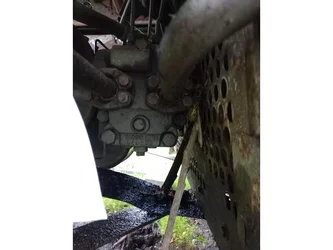
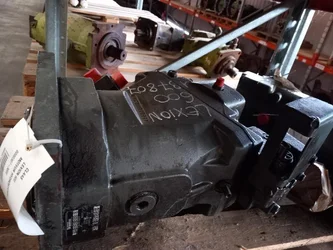
![Hydrostatic motor for CLAAS LEXION 570]()
Hydrostatic motor for CLAAS LEXION 570
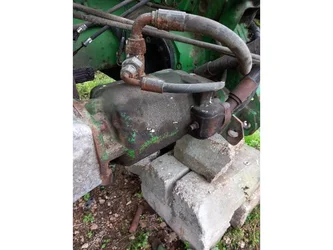
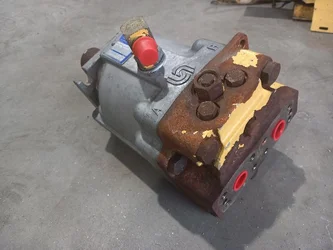
In stock, deliverable within 2-3 daysGet a quote![Hydrostatic motor for JOHN-DEERE T660]()
Hydrostatic motor for JOHN-DEERE T660
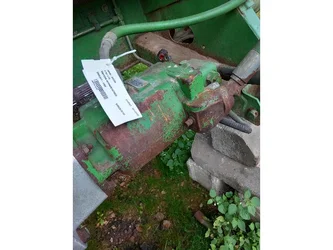
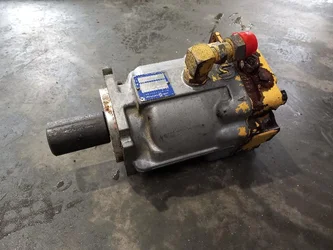
In stock, deliverable within 2-3 daysGet a quote![Hydrostatic motor for JOHN-DEERE 9780 CTS]()
Hydrostatic motor for JOHN-DEERE 9780 CTS
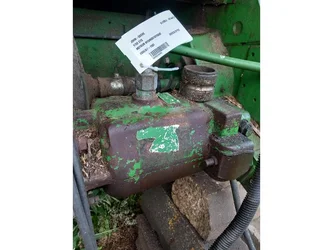
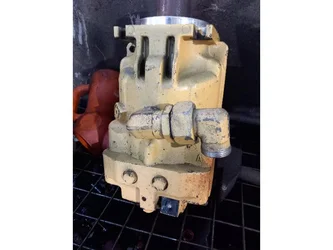
In stock, deliverable within 2-3 daysGet a quote![Hydrostatic motor for JOHN-DEERE 9780 CTS]()
Hydrostatic motor for JOHN-DEERE 9780 CTS
In stock, deliverable within 2-3 daysGet a quote![Hydrostatic motor for CASE IH AXIAL-FLOW 8010]()
Hydrostatic motor for CASE IH AXIAL-FLOW 8010
In stock, deliverable within 2-3 daysGet a quote![Hydrostatic motor for NEW-HOLLAND CS 540]()
Hydrostatic motor for NEW-HOLLAND CS 540
In stock, deliverable within 2-3 daysGet a quote![Hydrostatic motor for JOHN-DEERE T660]()
Hydrostatic motor for JOHN-DEERE T660
In stock, deliverable within 2-3 daysGet a quote![Hydrostatic motor for NEW-HOLLAND CX 860]()
Hydrostatic motor for NEW-HOLLAND CX 860
In stock, deliverable within 2-3 daysGet a quote![Hydrostatic motor for CLAAS LEXION 600]()
Hydrostatic motor for CLAAS LEXION 600
In stock, deliverable within 2-3 daysGet a quote![Hydrostatic motor for NEW-HOLLAND TX 66]()
Hydrostatic motor for NEW-HOLLAND TX 66
In stock, deliverable within 2-3 daysGet a quote![Hydrostatic motor for NEW-HOLLAND TX 68]()
Hydrostatic motor for NEW-HOLLAND TX 68
In stock, deliverable within 2-3 daysGet a quote![Hydrostatic motor for NEW-HOLLAND TF 76]()
Hydrostatic motor for NEW-HOLLAND TF 76
In stock, deliverable within 2-3 daysGet a quote![Hydrostatic motor for CASE IH AXIAL-FLOW 8010]()
Hydrostatic motor for CASE IH AXIAL-FLOW 8010
In stock, deliverable within 2-3 daysGet a quote![Hydrostatic motor for JOHN-DEERE S660]()
Hydrostatic motor for JOHN-DEERE S660
In stock, deliverable within 2-3 daysGet a quote![Hydrostatic motor for NEW-HOLLAND CX 8050]()
Hydrostatic motor for NEW-HOLLAND CX 8050
In stock, deliverable within 2-3 daysGet a quote![Hydrostatic motor for NEW-HOLLAND TX 68]()
Hydrostatic motor for NEW-HOLLAND TX 68
In stock, deliverable within 2-3 daysGet a quote![Hydrostatic Motor for NEW-HOLLAND TX 67]()
Hydrostatic Motor for NEW-HOLLAND TX 67
In stock, deliverable within 2-3 daysGet a quote![Hydrostatic Motor for NEW-HOLLAND CX 820]()
Hydrostatic Motor for NEW-HOLLAND CX 820
In stock, deliverable within 2-3 daysGet a quote![Hydrostatic Motor for CLAAS SCORPION 7040]()
Hydrostatic Motor for CLAAS SCORPION 7040
In stock, deliverable within 2-3 daysGet a quote![Hydrostatic Motor for NEW-HOLLAND CR 8080]()
Hydrostatic Motor for NEW-HOLLAND CR 8080
In stock, deliverable within 2-3 daysGet a quote![Hydrostatic Motor for JOHN-DEERE CTS]()
Hydrostatic Motor for JOHN-DEERE CTS
In stock, deliverable within 2-3 daysGet a quote![Hydrostatic Motor for JOHN-DEERE 9560 WTS]()
Hydrostatic Motor for JOHN-DEERE 9560 WTS
In stock, deliverable within 2-3 daysGet a quote![Hydrostatic Motor for CASE IH AXIAL-FLOW 2388]()
Hydrostatic Motor for CASE IH AXIAL-FLOW 2388
In stock, deliverable within 2-3 daysGet a quote![Hydrostatic Motor for CASE IH AXIAL-FLOW 2388]()
Hydrostatic Motor for CASE IH AXIAL-FLOW 2388
In stock, deliverable within 2-3 daysGet a quote![Hydrostatic Motor for LAVERDA 2350]()
Hydrostatic Motor for LAVERDA 2350
In stock, deliverable within 2-3 daysGet a quote![Hydrostatic motor for NEW-HOLLAND CR 960]()
Hydrostatic motor for NEW-HOLLAND CR 960
In stock, deliverable within 2-3 daysGet a quote![Hydrostatic motor for NEW-HOLLAND CR 980]()
Hydrostatic motor for NEW-HOLLAND CR 980
In stock, deliverable within 2-3 daysGet a quote![Hydrostatic motor for NEW-HOLLAND CR 960]()
Hydrostatic motor for NEW-HOLLAND CR 960
In stock, deliverable within 2-3 daysGet a quote![Hydrostatic motor for NEW-HOLLAND TX 66]()
Hydrostatic motor for NEW-HOLLAND TX 66
In stock, deliverable within 2-3 daysGet a quote![Hydrostatic motor for NEW-HOLLAND CX 760]()
Hydrostatic motor for NEW-HOLLAND CX 760
In stock, deliverable within 2-3 daysGet a quote![Hydrostatic motor for CLAAS LEXION 420]()
Hydrostatic motor for CLAAS LEXION 420
In stock, deliverable within 2-3 daysGet a quote![Hydrostatic motor for CASE IH AXIAL-FLOW 2388]()
Hydrostatic motor for CASE IH AXIAL-FLOW 2388
In stock, deliverable within 2-3 daysGet a quote![Hydrostatic motor for NEW-HOLLAND TX 68]()
Hydrostatic motor for NEW-HOLLAND TX 68
In stock, deliverable within 2-3 daysGet a quote![Hydrostatic motor for JOHN-DEERE T560]()
Hydrostatic motor for JOHN-DEERE T560
In stock, deliverable within 2-3 daysGet a quote![Hydrostatic motor for JOHN-DEERE 2264]()
Hydrostatic motor for JOHN-DEERE 2264
In stock, deliverable within 2-3 daysGet a quote![Hydrostatic motor for LAVERDA L624]()
Hydrostatic motor for LAVERDA L624
In stock, deliverable within 2-3 daysGet a quote
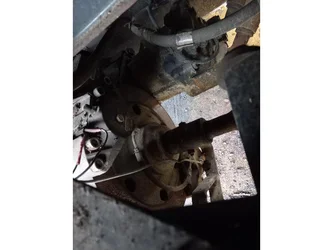
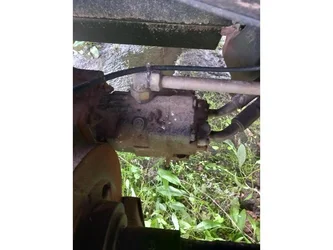
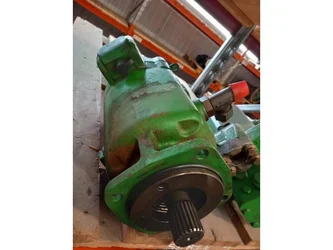
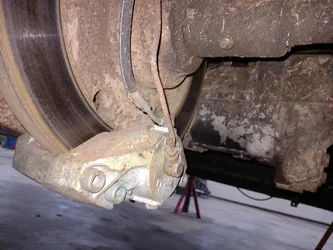
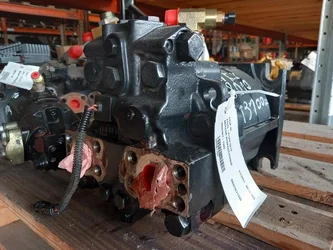
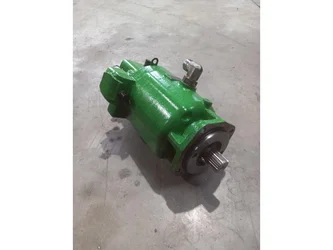
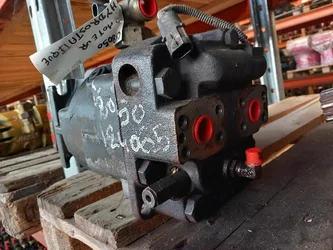

Hydrostatic Motor for Tractors: Used Parts and Comprehensive Guide
Whether you operate a garden micro-tractor or a high-powered agricultural machine, the hydrostatic motor is at the core of your traction system. On brands like John Deere, Kubota, or New Holland, this technology replaces the clutch pedal with precise control through pressurized fluid, significantly simplifying handling for the operator.
Finding the right used part requires knowing the exact specifications of your hydrostatic transmission: displacement, rotation direction, and compatibility with your original diesel or thermal engine.
Specialized technicians can assist you with this identification, especially when multiple component references coexist on the same tractor model depending on its year of manufacture.
What is a Hydrostatic Motor on a Tractor?
- The hydrostatic motor is the receiving component of the hydraulic circuit: it receives the oil under pressure sent by the pump.
- This circuit operates in a closed loop, with oil continuously circulating between the pumps and the motor to the wheels.
- Changing the pump displacement directly modifies the wheel rotation speed without fixed gears.
- At low speed, the torque transmitted to the wheels is maximal, facilitating work on difficult terrain or slopes.
- Reverse gear is achieved simply by reversing the direction of fluid flow in the circuit without any mechanical manipulation.
- Unlike a mechanical transmission, no physical gears or clutches are involved in power transmission.
- This system equips both garden micro-tractors and agricultural machines exceeding 100 hp, such as certain Kubota M7 models.
What Are the Drawbacks of Hydrostatic Transmission?
The hydrostatic transmission offers comfort but has real limitations you should understand before investing. Its energy efficiency is lower than that of a classic mechanical transmission: part of the engine power is lost as heat during successive conversions between mechanical energy and hydraulic pressure, representing losses up to 20 to 30% depending on operating conditions.
This phenomenon requires the most heavily used systems to include a dedicated oil cooler to prevent circuit overheating. Additionally, the acquisition cost is higher compared to traditional mechanical transmissions, both at purchase and repair. The slightest contamination of the hydraulic fluid—by air, water, or metal particles—can quickly damage the pump and hydraulic motor.
Advantages: Comfort, Precision, and Smooth Transmission
- The absence of a clutch pedal greatly reduces operator fatigue during long workdays.
- Gradual acceleration prevents jerks, protecting attached tools like a front loader.
- Fine speed adjustment by millimeter is particularly useful for precise work in tight rows.
- An integrated cruise control automatically maintains the selected speed, even on steep or uneven terrain.
- Reverse engagement is instantaneous without a complete stop, speeding up repetitive maneuvers at the end of fields.
- Continuous speed variation without steps offers immediate adaptability to changes in load or ground resistance.
- This type of transmission is especially appreciated by novice drivers, who quickly master tractor control.
Limitations: Maintenance, Hydraulic Pump, and Cost
Maintenance of a hydrostatic transmission is more demanding than it seems. Hydraulic oil changes must be performed at regular intervals—typically every 200 to 500 hours depending on the manufacturer—to prevent suspended metal particles from gradually destroying internal components.
The hydraulic pump remains the component most prone to failure. Cavitation caused by low oil levels or air intake in the circuit can destroy a pump in less than 50 hours of operation.
On the budget side, repairing a damaged hydrostatic transmission often exceeds the cost of an equivalent mechanical transmission. Choosing a reconditioned used hydrostatic motor significantly reduces this cost, provided exact compatibility with your tractor model is verified.
Common Breakdowns: How to Diagnose Transmission Issues?
- A dull or whistling noise at startup often indicates a pressure circuit anomaly requiring prompt investigation.
- A mispositioned manual clutch rod can sometimes explain a complete loss of traction.
- A tractor that gradually slows uphill without obvious engine reasons points the diagnosis towards the transmission.
- Checking the transaxle oil level is the first practical step before any internal component dismantling.
- Unusual vibrations felt under the forward pedal often indicate air presence in the system.
- A persistent burnt smell after use suggests overheating related to a clogged or faulty oil cooler.
- Bleeding the circuit by slow back-and-forth movements with lifted wheels removes air before considering repairs.
Tractor That Won't Move or Loses Power
When a tractor stalls or steadily loses traction with no apparent engine cause, the hydrostatic pump drive belt is the first part to check. If worn or slack, it no longer transmits enough power to the pump, resulting in sluggish or no movement even at full throttle.
If the belt is in good condition, the most common cause remains hydraulic oil contamination by metal particles from internal wear. The oil then loses its ability to maintain sufficient pressure in the closed circuit.
A tractor that struggles only under load—pushing a tool or going uphill—usually indicates an aging pump whose flow rate drops under working pressure. In this case, replacing it with a reconditioned used hydrostatic motor is the most economical solution.
Hydraulic Pump Wear and Cavitation
- A sharp metallic knocking noise under load typically signals active cavitation in the pump.
- A clogged oil filter reduces the pump's oil supply flow and triggers cavitation even if the oil level is correct.
- Hydraulic oil that is too cold at winter startup, being too viscous, temporarily deprives the pump of sufficient flow.
- Metal shavings visible during an oil change reveal advanced wear on the pump's pistons or plates.
- Insufficient charge pressure in the closed circuit accelerates internal surface erosion through repeated micro-implosions.
- Checking the charge valve is a diagnostic step often overlooked before any pump replacement.
- Replacing the pump and worn hydraulic motor simultaneously prevents contaminating the reconditioned component with residual debris.
Which Oil to Choose for Your Hydrostatic Transmission?
The choice of oil directly impacts the lifespan of your transmission. Hydrostatic Transmission (HST) type oil or hydraulic oil meeting ISO 46 or ISO 68 standards is suitable for the vast majority of mower tractor and micro-tractor hydrostatic transmissions.
Kubota, for example, recommends its own UDT oil, while John Deere advises Hy-Gard J20C. These manufacturer references remain the absolute standard to avoid any chemical incompatibility with internal seals.
Viscosity plays a determining role: oil that is too thick in winter slows pressure buildup at startup, while oil that is too thin in summer fails to maintain necessary working pressure. Prefer a multigrade oil adapted to the temperature variations in your region.
Compatible Used Hydrostatic Motors by Brand
- Kubota equips its B, L, and M series with hydrostatic motors with specific references, varying according to production year.
- John Deere uses hydrostatic motors on its series 1, 2, and 3, with different references depending on displacement.
- Fendt, renowned for its Vario transmissions, integrates hydrostatic Sauer-Danfoss components identifiable by their serial numbers.
- Massey Ferguson and its 1700 and 2600 series accept used hydrostatic motors from suppliers like Sauer or Bosch-Rexroth.
- New Holland and Case IH share common platforms, sometimes allowing interchangeability of hydrostatic components between models.
- Checking the manufacturer's reference engraved on the motor housing remains the most reliable method to ensure exact compatibility.
The hydrostatic motor receives oil under pressure sent by a hydraulic pump driven by the tractor's thermal engine. This hydraulic pressure is converted into mechanical energy, which turns the drive wheels. The system operates in a closed loop, without a clutch or traditional gears, allowing speed to be adjusted smoothly and continuously simply by varying the oil flow in the circuit.
With regular maintenance, a hydrostatic transmission can last between 3,000 and 6,000 operating hours on an agricultural tractor. Longevity mainly depends on the quality of hydraulic oil used and frequency of oil changes. Degraded oil or oil loaded with metal particles accelerates internal wear of the pump and hydraulic motor. Operating conditions, especially intensive work on difficult terrain, also reduce this lifespan.
It depends on the intended use. The hydrostatic transmission is better suited for varied tasks requiring frequent speed changes and high maneuverability, such as work on uneven terrain or repetitive maneuvers. The mechanical transmission remains a more robust and less costly option at purchase, appreciated for repetitive tasks at constant speed. Novice users often prefer hydrostatic for its ease of operation without a clutch pedal.
To find the right used model, start by noting the exact reference on the nameplate of the original motor to be replaced. Then verify compatibility with your tractor’s brand and model, as well as displacement and nominal flow. Before purchase, ensure the reconditioned component has been tested and its internal condition checked to avoid acquiring a worn part that will cause the same failure.
Several symptoms indicate a hydrostatic motor at the end of its life. A progressive loss of traction power, especially on inclines, is often the first sign. Jerky movements or irregular response when changing direction also point to internal failure. Abnormal noises such as whistling or knocking, sometimes accompanied by visible oil leaks, confirm that replacement is urgently needed.
Installation is technically feasible for a user with solid hydraulic mechanical knowledge. Connecting high-pressure hoses requires absolute rigor, as poor connections can cause leaks or damage the entire circuit. Bleeding the system after installation is a delicate step that must not be overlooked. If unsure of your skills, consulting a specialist remains the safest way to avoid costly damage.
Can't find the part you're looking for?
Fill out this form or contact us at 05 86 24 00 26